- Email kabul@aabrar.org.af
- Phone +93(0) 20 223 1250
Founded in 1992, the Afghan Amputee Bicyclists for Rehabilitation and Recreation (AABRAR) began with a simple yet profound mission: teaching persons with disabilities (PwDs) to ride bicycles. This initiative did more than improve physical mobility—it saved beneficiaries transportation costs to and from their workplaces, acting as AABRAR’s very first livelihood intervention.
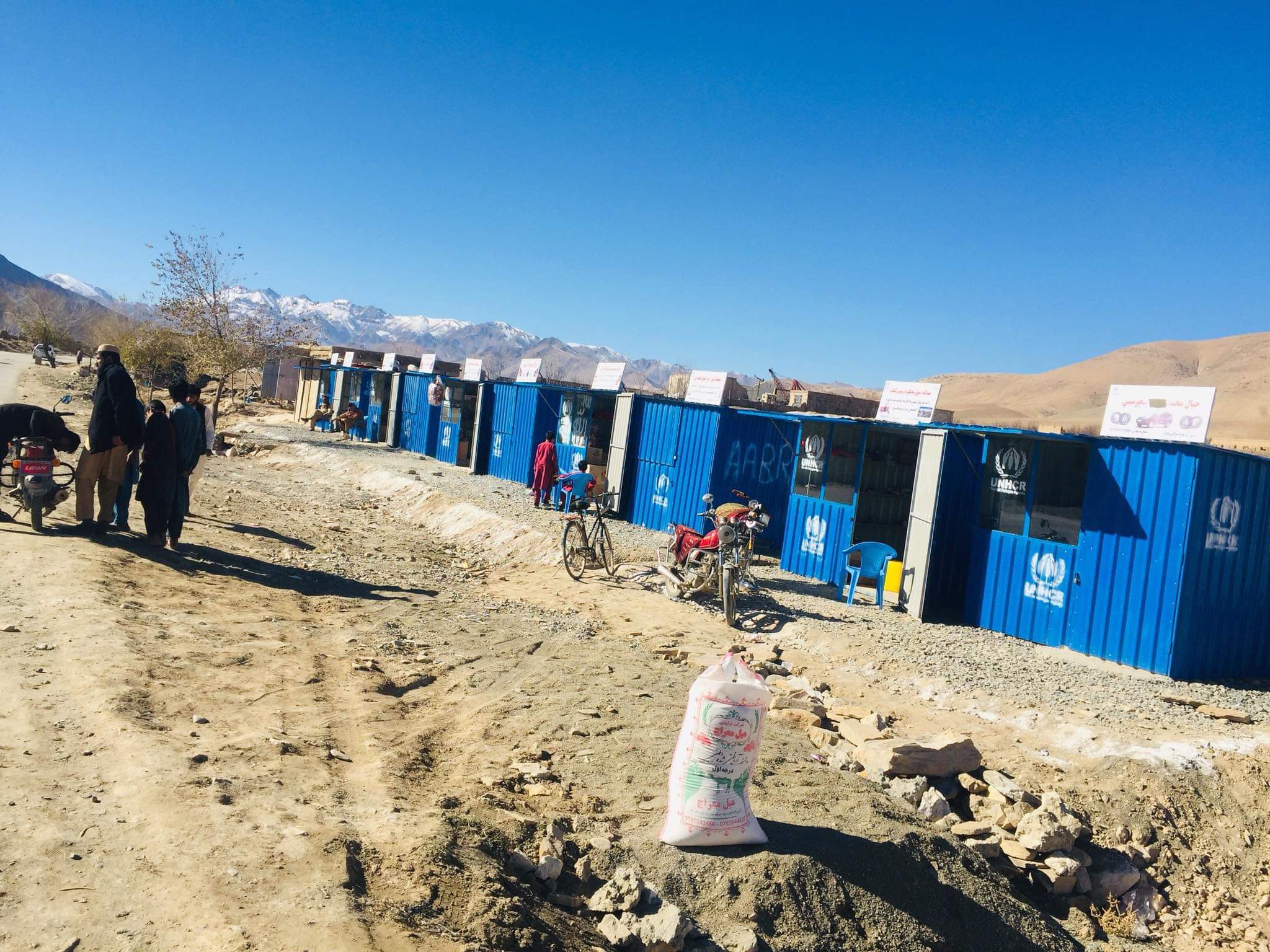
AABRAR quickly realized that physical rehabilitation must be paired with economic opportunity to truly transform lives. With Afghanistan facing decades of conflict and an estimated one million individuals living with physical impairments—many of whom are the primary breadwinners for their families—AABRAR expanded its scope. AABRAR began offering vocational training to help PwDs learn trades, run small businesses in local bazaars, and support their families.
Today, AABRAR is a pioneer in Inclusive Livelihood programming. In 2006, AABRAR worked closely with the International Labour Organization (ILO), NPAD/UNDP, and the Ministry of Labor and Social Affairs to develop a groundbreaking inclusive livelihood-mainstreaming project in Kabul. AABRAR continues to lead the way in ensuring that persons with disabilities, returnees, IDPs, and vulnerable women and youth are not just recipients of aid, but active contributors to Afghanistan’s economy.
AABRAR implements a holistic economic empowerment strategy, moving beneficiaries from dependency to self-sufficiency through a continuum of training, financial support, and job placement.
1. Vocational Skills Training
Activities: AABRAR provides hands-on training in over 30 different vocations. AABRAR’s vocational programs are tailored to local market demands and include trades such as bicycle repair, carpentry, cobbler/shoemaking, tailoring, embroidery, welding, mobile phone repair, and even the manufacturing of footballs and volleyballs. AABRAR ensures that graduates have the practical skills needed to start their own micro-businesses or secure local employment.
Generous Donors: AABRAR’s vocational training programs are generously supported by UNHCR, AHF/OCHA, UNOPS/MACCA, and DAI.
2. The Inclusive Livelihood Model (ILO Approach)
Activities: AABRAR utilizes a comprehensive, multi-step model to ensure long-term success. This includes:
Community Awareness: AABRAR mobilizers guide communities and orient them on the rights and capabilities of PwDs.
Basic Education: AABRAR provides foundational literacy and numeracy so beneficiaries can manage finances.
Vocational Training: AABRAR provides the core trade skills.
Job Placement: AABRAR’s labor market officers actively connect trained beneficiaries with small and medium-sized businesses for employment.
Revolving Allowances: AABRAR provides interest-free revolving funds to help graduates purchase tools and start their businesses.
Generous Donors: AABRAR’s inclusive livelihood framework was pioneered with support from ILO, UNDP, and the European Union (EU).
3. Business Development & Cash Assistance
Activities: For those looking to start or expand small businesses, AABRAR provides Business Development Skills (BDS) training, marketing training, and financial management workshops. AABRAR also provides multi-purpose cash assistance and seed grants to help vulnerable families establish sustainable income streams (such as small shops, tailoring businesses, or livestock rearing).
Generous Donors: AABRAR’s business development and cash assistance programs are made possible by AHF/OCHA, UNHCR, and NSDP (National Skills Development Program).
4. Livelihoods for Returnees and IDPs
Activities: AABRAR is at the forefront of supporting Afghan returnees and Internally Displaced Persons (IDPs) as they rebuild their lives. AABRAR provides economic reintegration support, including vocational training, business development, and Cash for Work (CFW) programs. These initiatives help displaced populations earn an immediate income while contributing to community rehabilitation.
Generous Donors: AABRAR’s returnee and IDP livelihood programs are generously funded by UNHCR and AHF/OCHA.
5. Women’s Economic Empowerment
Activities: AABRAR is dedicated to improving the economic independence of Afghan women. AABRAR provides specialized business skills training for vulnerable women to support their income generation. AABRAR also helps establish and build the capacity of women's business associations, providing them with grants to support their collective livelihood activities.
Generous Donors: AABRAR’s women's economic empowerment programs are supported by UNDP and The Asia Foundation.
6. Agriculture and Livestock Support
Activities: To address food insecurity and diversify income in rural areas, AABRAR provides livelihood protection support through agriculture and livestock interventions. AABRAR assists vulnerable households with livestock provision and related training, helping them build resilient, long-term sources of food and income.
Generous Donors: AABRAR’s agriculture and livestock interventions are funded by AHF/OCHA.
AABRAR’s livelihood programs are designed to support the most economically marginalized and at-risk groups in Afghanistan:
Persons with Disabilities (PwDs): Individuals with physical impairments, especially those who are the primary breadwinners for their families, ensuring they gain financial independence.
Returnees and Internally Displaced Persons (IDPs): Families who have lost their assets and livelihoods due to conflict or displacement, needing urgent economic reintegration.
Vulnerable Women: Female heads of households, widows, and women from conservative backgrounds who gain access to safe, home-based, or community-based income generation.
Youth and Vulnerable Fighting-Aged Males: Young men and women who are at risk of exploitation or recruitment, providing them with legitimate, marketable skills.
Host Communities: Local families who benefit from the economic growth and increased stability brought about by AABRAR’s cash-for-work and business development programs.
AABRAR’s ability to transform lives through economic empowerment is made possible by the generous support of its dedicated partners. AABRAR extends its deepest gratitude to:
UNHCR (United Nations High Commissioner for Refugees)
Afghanistan Humanitarian Fund (AHF/OCHA)
ILO (International Labour Organization)
UNDP (United Nations Development Programme)
NSDP (National Skills Development Program)
MACCA/UNOPS
DAI (Development Alternatives, Inc.)
USAID
European Union (EU)
The Asia Foundation
(Additional AABRAR multi-sector donors include: UNICEF, WHO, WFP, USIP, and Counterpart International).
Through these comprehensive livelihood initiatives and the unwavering support of its partners, AABRAR continues its 34+-year mission of turning vulnerability into capability, ensuring that every Afghan—regardless of ability or displacement status—has the opportunity to earn a living, support their family, and live with dignity.
Copyright 2026 AABRAR NGO. Powered By AryanIct
