- Email kabul@aabrar.org.af
- Phone +93(0) 20 223 1250
Established in 1992, the Afghan Amputee Bicyclists for Rehabilitation and Recreation (AABRAR) began with a focused mission: to restore mobility and dignity to persons with disabilities (PwDs) through specialized bicycle training and physical rehabilitation. However, as AABRAR worked tirelessly across Afghanistan over the decades, it became evident that physical rehabilitation alone was not enough. In times of conflict, severe drought, and natural disasters, vulnerable groups—especially persons with disabilities, women, children, and displaced families—are disproportionately affected and face severe threats to their basic survival.
To address these life-threatening realities, AABRAR expanded its scope to include Emergency Humanitarian Response. Today, AABRAR is a highly trusted and active partner in the humanitarian space, delivering life-saving WASH (Water, Sanitation, and Hygiene) interventions to the most hard-to-reach and underserved communities across Afghanistan. AABRAR ensures that in times of crisis, the basic human right to clean water and sanitation is protected, particularly for those who face the greatest barriers to access.
AABRAR implements a comprehensive WASH strategy designed to prevent disease outbreaks, protect public health, and restore basic living standards for crisis-affected populations. AABRAR operates a dedicated WASH and Protection Department to ensure these interventions are rapid, effective, and inclusive.
1. Water Supply and Infrastructure
Activities: AABRAR provides safe drinking water to drought and conflict-affected communities through multiple channels. AABRAR constructs new water-wells equipped with hand-pumps and drills deep boreholes powered by solar energy systems to ensure sustainable, long-term water access. AABRAR also repairs broken and non-functional water facilities to restore supply. In extreme emergency situations where infrastructure is entirely destroyed or unavailable, AABRAR conducts emergency water-trucking as a last resort to prevent dehydration and waterborne diseases.
Generous Donors: AABRAR’s emergency water infrastructure projects are generously funded by the Afghanistan Humanitarian Fund (AHF/OCHA), UNHCR, and UNICEF.
2. Sanitation and Gender-Sensitive Facilities
Activities: Poor sanitation is a leading cause of disease in displacement camps and crisis zones. AABRAR constructs safe, culturally appropriate, and gender-sensitive latrines. AABRAR ensures that sanitation facilities are accessible to persons with disabilities by integrating ramps and modified structures, ensuring no one is left behind.
Generous Donors: AABRAR’s emergency sanitation and latrine construction initiatives have been supported by AHF/OCHA and UNICEF.
3. Hygiene Promotion and Disease Prevention
Activities: AABRAR employs community mobilizers and health workers to conduct door-to-door and community-wide hygiene promotion sessions. AABRAR educates families on proper handwashing, safe water storage, and sanitation practices to prevent the spread of viral diseases, including COVID-19 and cholera. To support these practices, AABRAR distributes essential hygiene kits containing soap, water purification tablets, and sanitary items to thousands of vulnerable families.
Generous Donors: AABRAR’s hygiene promotion and kit distribution programs are made possible through the support of the WASH Cluster, AHF/OCHA, and UNICEF.
4. Protection and Dignity Kits (GBV/WASH Integration)
Activities: AABRAR recognizes that women and girls face unique challenges during emergencies. AABRAR integrates Protection and Gender-Based Violence (GBV) awareness into its WASH programming. AABRAR distributes Dignity Kits (containing menstrual hygiene products, underwear, and essential safety items) and raises awareness about GBV risks in displacement settings to ensure the safety, privacy, and dignity of women and girls.
Generous Donors: AABRAR’s dignity kit distributions and GBV awareness programs are generously supported by AHF/OCHA and UNOCHA.
5. Winterization Support
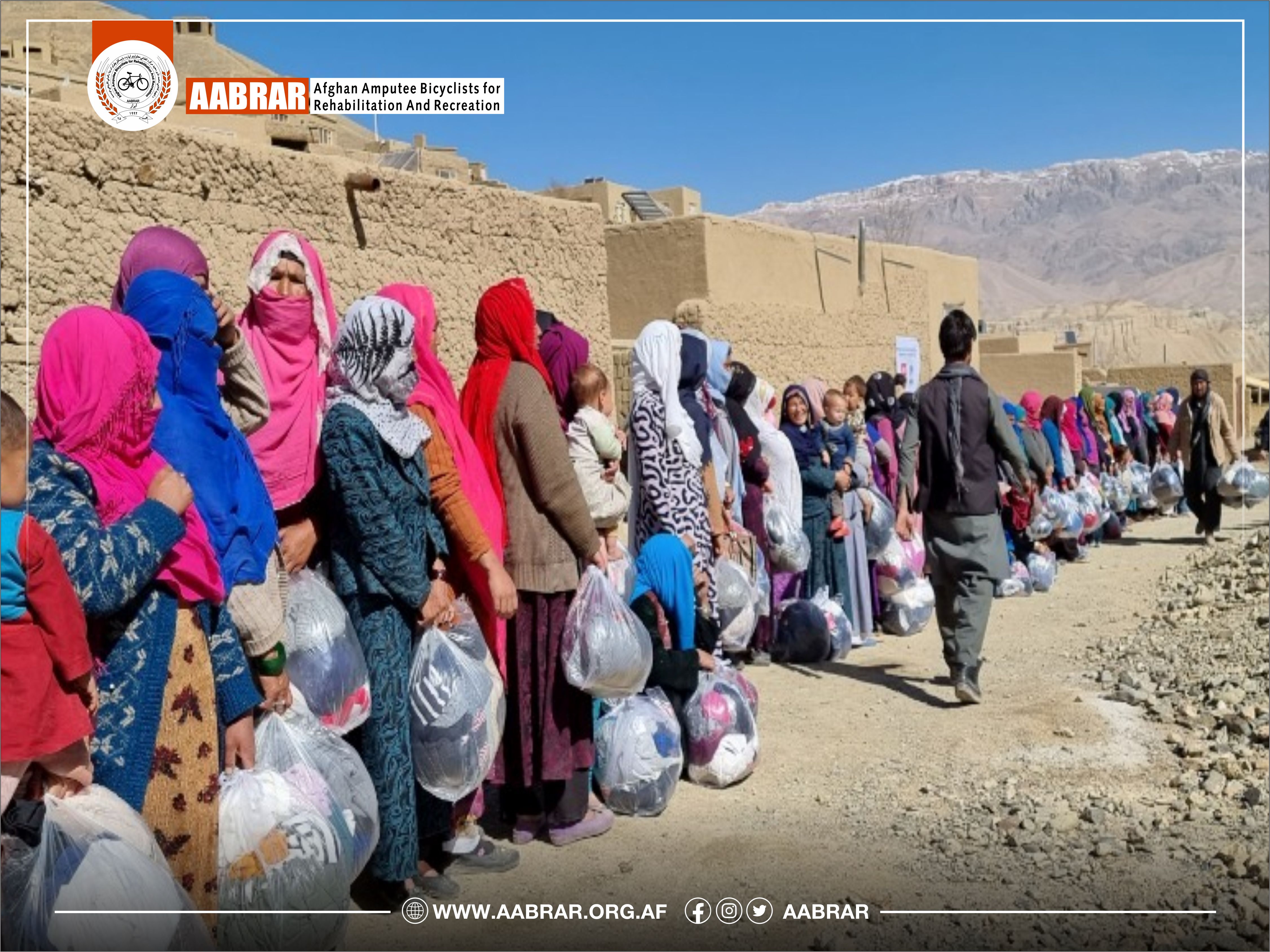
Activities: In addition to WASH, AABRAR provides emergency Winterization support to vulnerable populations facing harsh Afghan winters. AABRAR distributes fuel for heating, blankets, and warm clothing to conflict-affected, displaced, and vulnerable host communities to prevent cold-related illnesses and fatalities.
Generous Donors: AABRAR’s winterization response has been funded by AHF/OCHA and UNHCR.
AABRAR’s emergency WASH programs are designed to reach the most at-risk populations in hard-to-reach areas, including:
Drought and Conflict-Affected Communities: Families living in areas severely impacted by water scarcity, conflict, or natural disasters.
Returnees and Internally Displaced Persons (IDPs): Afghan families returning from neighboring countries or displaced within Afghanistan who lack basic shelter, clean water, and sanitation facilities.
Vulnerable Host Communities: Local families who share their already limited resources with large influxes of displaced people.
Persons with Disabilities (PwDs): AABRAR specifically targets PwDs in emergency responses, ensuring they receive prioritized access to safe water, adapted sanitation facilities, and necessary hygiene items.
Women and Girls: AABRAR ensures female-headed households and vulnerable women receive dignity kits and have safe access to gender-segregated sanitation facilities.
Children: Out-of-school and vulnerable children who are highly susceptible to waterborne diseases, ensuring they receive hygiene education and safe drinking water.
AABRAR’s ability to rapidly deploy life-saving WASH interventions across Afghanistan is entirely dependent on the generous support and coordination of its international and humanitarian partners. AABRAR extends its deepest gratitude to:
Afghanistan Humanitarian Fund (AHF/OCHA)
UNHCR (United Nations High Commissioner for Refugees)
UNICEF (United Nations Children's Fund)
WHO (World Health Organization)
The WASH Cluster and ESNFI Cluster
(Additional AABRAR multi-sector donors include: WFP, UNDP, USAID, The Asia Foundation, USIP, DAI, Counterpart International, and the European Union).
Through these comprehensive emergency interventions and the unwavering support of its partners, AABRAR continues its 30-year mission of protecting the most vulnerable, ensuring that no Afghan—regardless of their disability or displacement status—is left without access to the most basic necessities of life.
Copyright 2026 AABRAR NGO. Powered By AryanIct
